
Explore By Tradition
Go deeper by celebration.
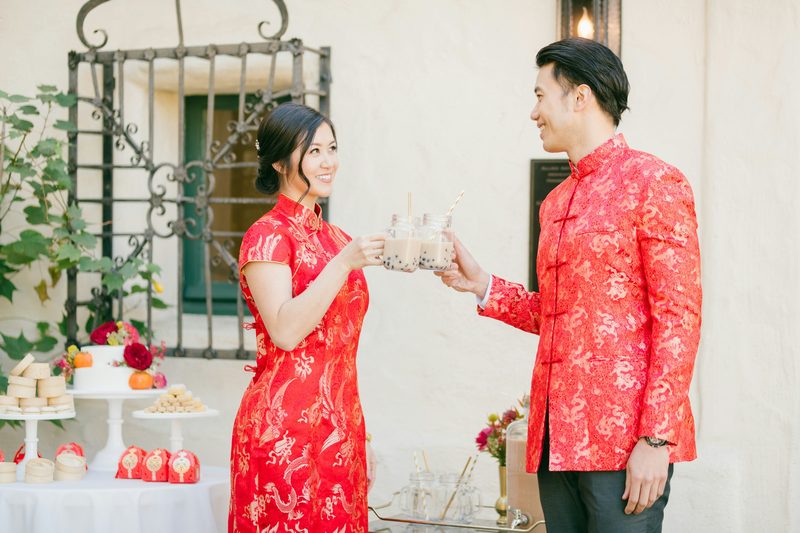
Chinese Weddings
Tea ceremony, door games, and the banquet, planned in your language.
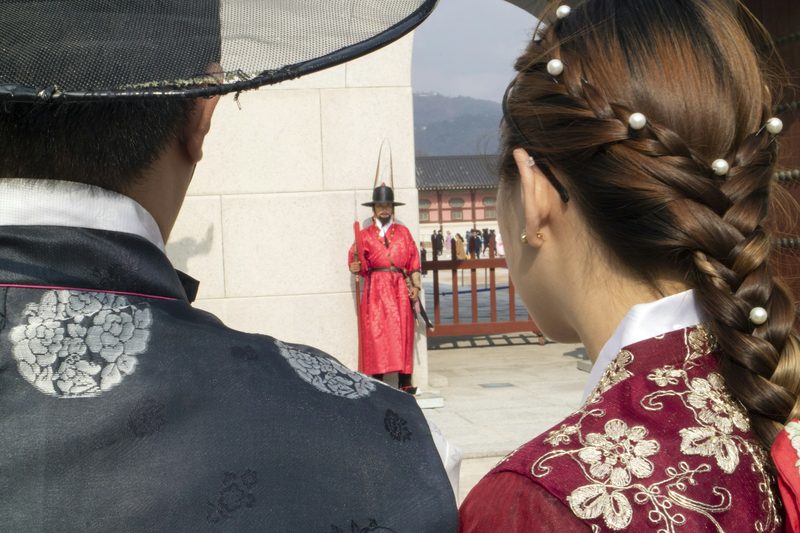
Korean Weddings & Pyebaek
The pyebaek and the Western ceremony, woven into one day.
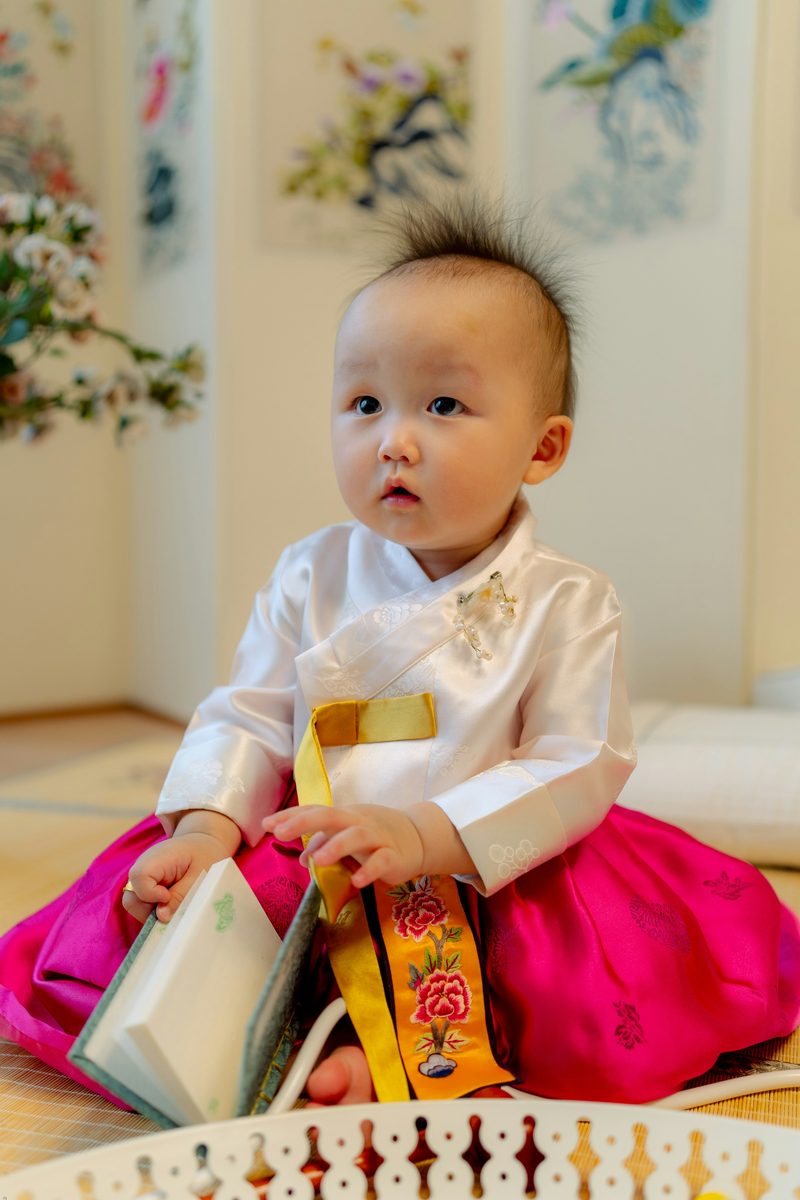
Dol (First Birthday)
The doljabi and the celebration, done with care.


What We Handle
The ceremonies that carry meaning, run correctly.
Chinese weddings
Tea ceremony, door games, the banquet with seating and toasts handled correctly, and the symbols that matter.
Korean weddings
Pyebaek and the Western ceremony woven into one seamless day, with every ritual in its place.
Dol, hwangap & baek-il
First birthdays, sixtieth birthdays, and hundred-day celebrations, planned with care and the right details.
Bilingual programs
Ceremonies and timelines that both families can follow, in English, Mandarin, and Cantonese.
Fusion menus & design
Two heritages at one table, brought together with taste rather than compromise.
Guest guidance
Programs and small touches that help every guest understand a ritual they may never have seen.
For The Families
Both families should feel at home.
In many Chinese and Korean celebrations, parents and elders are not just guests. They are part of the ceremony, and often the hardest people to reassure.
We make room for them: we explain the traditions, confirm the sequence and the roles, and communicate in English, Mandarin, Cantonese, or Korean, so no one has to step in and correct something on the day. The goal is not to choose which culture leads. It is a celebration both families recognize as their own.
The Difference
Fluency you cannot fake.
Most planners can decorate a cultural wedding. Far fewer can run one, with the rituals in the right order and the elders at ease.
Karina plans fluently in English, Mandarin, and Cantonese, and knows these traditions from the inside. That is the difference between a celebration that looks the part and one that is genuinely, correctly yours.

Is This You
You want it done right, not approximated.
Cultural celebrations carry weight. A tea ceremony in the wrong order, a banquet with the seating mishandled, a ritual explained badly to guests who have never seen it, these are the things that quietly go wrong when a planner is guessing.
We do not guess. We plan these celebrations constantly, in the languages the families actually speak, so the meaning lands and both sides feel genuinely at home.
- You are marrying across two cultures and want both honored.
- You want the rituals run correctly, not approximated.
- You need a planner fluent in the language and the traditions.
- You want guests to understand and feel part of it.
Our process
From first hello to event day.
Inquire
Tell us the celebration you have in mind, your guest count, and what matters most.
Consult
We listen for the feeling you want, then talk through scope, vision, and budget together.
Design
We shape the plan, the design, and the sourcing, and send one clear, itemized proposal.
Event day
You are a guest at your own celebration. We run every moving piece behind the scenes.
The Look
Beautifully considered, culturally correct.


Photographs show the mood of the celebrations we plan.
Kind words
What our clients say.
Karina understood the tea ceremony, banquet flow, family roles, and timing, and she communicated with our parents in Mandarin and Cantonese. Eric made sure the overall planning stayed organized. Our parents felt comfortable from beginning to end.
Lisa Zhou
Our pyebaek and Western ceremony flowed into one beautiful day. Karina honored both, and our parents felt completely respected. Eric helped coordinate everything around the ceremony so nothing felt rushed.
Sarah & Kevin Lee
We wanted our daughter's dol to feel beautiful and traditional without looking dated. Karina understood exactly what we were trying to create, and Eric helped make sure all the planning details were taken care of.
Sophie & David Kim
Common questions
Cultural celebration questions, answered.
Which languages do you plan in?
Our team plans in English, Mandarin, Cantonese, Japanese, and Korean. Karina leads in Mandarin and Cantonese and also speaks Japanese, and a Korean-speaking member of our team works with Korean families. Nothing gets lost between generations or between two sides of a family.
Can you run a tea ceremony and a pyebaek in one weekend?
Yes. We build a timeline that gives each ritual its proper place, whether that is a tea ceremony and a banquet, a pyebaek alongside a Western ceremony, or several traditions across a weekend.
How do you help guests follow a bilingual ceremony?
With programs, signage, and gentle narration that carry both languages, so guests who have never seen a ritual understand what is happening and feel part of it.
Can you blend two families' traditions?
That is one of the things we do best. We bring two heritages together with taste, in the menu, the design, and the ceremony, so neither side feels like an afterthought.
What does a multicultural celebration cost?
It depends on your guest count, vision, and the traditions involved, so we quote every celebration to its own plan. Tell us what you are marking and we will tell you honestly whether we are the right fit.
Keep reading
Reading on the traditions.
Where we plan
We plan cultural celebrations across the Bay Area.
From the city's banquet halls to wine-country estates, planned bilingually. Find your area, or tell us where you are celebrating.
Let's Begin
Tell us what you're honoring.
Share the celebration and the traditions you want to carry. We will bring the plan, in English, Mandarin, Cantonese, or Korean.